
Parenting
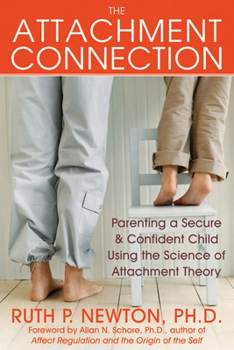
The Attachment Connection: Parenting a Secure and Confident Child Using the Science of Attachment Theory
Studies in the 1950s revealed that young children hospitalized without their parents respond first by crying for them, then by showing signs of despair, and finally by emotionally detaching from the parents and acting indifferent to their absence. This detachment is hard to repair and highly detrimental to a child’s development-most children who feel they …
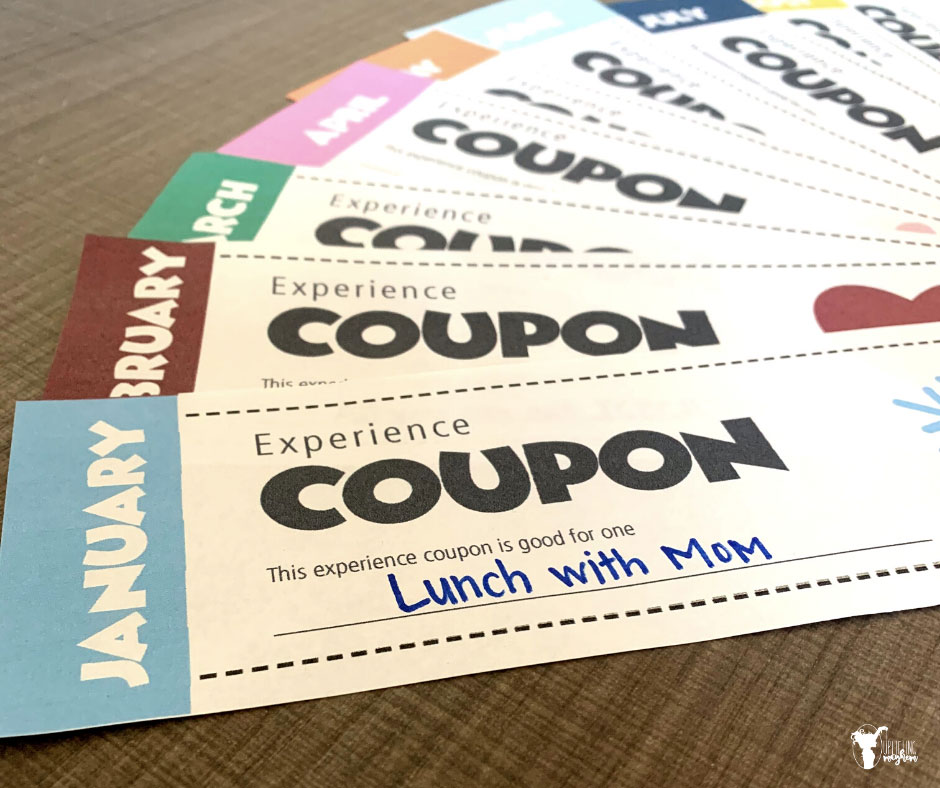
Experience Coupons That Last All Year Long
Here are some ideas that you can put on your coupons for your kids These are just a few ideas that we had. I’m sure you can think of more that is conducive to where you live. These experience coupons are a great idea especially if you are on a budget. It is about time …
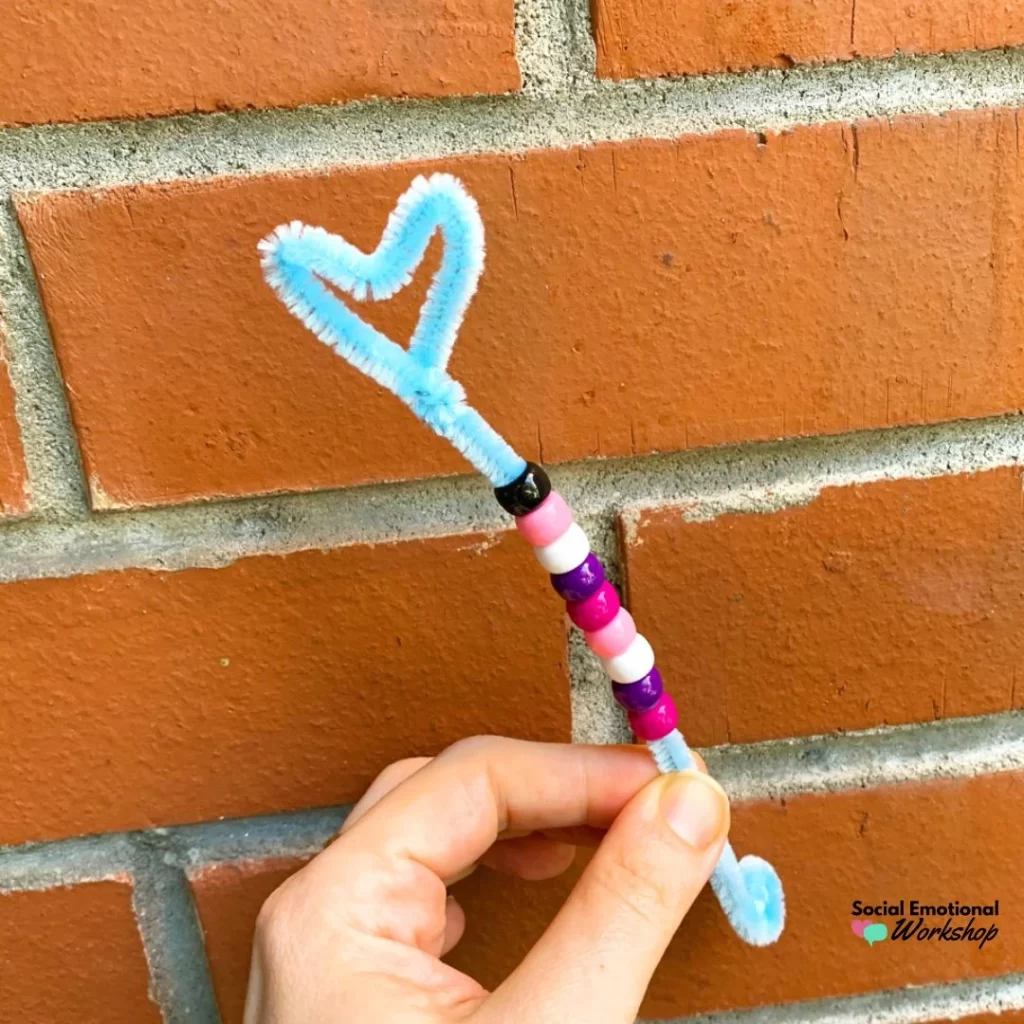
Hands On Calming Strategy Activity for Deep Breathing
https://www.socialemotionalworkshop.com/calming-strategy-activity-deep-breathing/?utm_campaign=coschedule&utm_source=pinterest&utm_medium=Social+Emotional+Workshop&utm_content=Hands+On+Calming+Strategy+Activity+for+Deep+Breathing Deep breathing is one of the best calming strategies you can teach your students. It’s effective and they always have it with them. While it is simple, students often need to be exposed to it many times and in many different ways. This calming strategy activity has students make their own breathing stick to …
Hands On Calming Strategy Activity for Deep Breathing Read More »

Book: Kids in the Syndrome Mix of ADHD, LD, Asperger’s, Tourette’s, Bipolar, and More!: The one stop guide for parents, teachers, and other professionals
Kids in the Syndrome Mix is a concise, scientifically up-to-date, all-in-one guide to the whole range of often co-existing neuro-behavioral disorders in children―from attention deficit hyperactivity disorder (ADHD), obsessive-compulsive disorder, and bipolar disorder, to autistic spectrum disorders, nonverbal learning disabilities, sensory integration problems, and executive dysfunction. Dr. Kutscher provides accessible information on causes, symptoms, interactions …
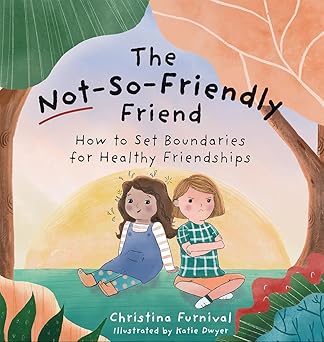
The Not-So-Friendly Friend: How To Set Boundaries for Healthy Friendships
“Being aware of our feelings is a building block for our emotional and social intelligence. In this charming and creative book, Christina Furnival offers children a way to sense and shape their emotions that emerge in the important friendships that shape who we are now, and who we will become later on in our lives.”―Daniel …
The Not-So-Friendly Friend: How To Set Boundaries for Healthy Friendships Read More »
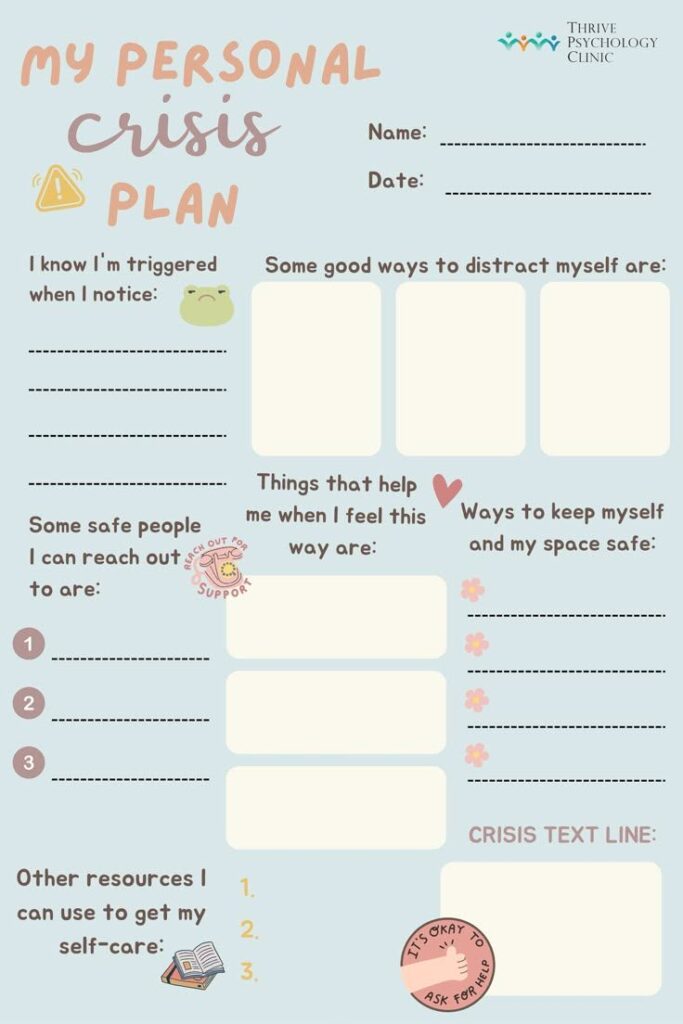
Do children need personal crisis plans?
Children can significantly benefit from personal crisis or safety plans, as these plans provide a structured guide to identify warning signs, coping strategies, and support systems for managing mental health or behavioral crises. These plans help prevent escalation, provide direction during difficult moments, and give both the child and family a sense of control and peace …
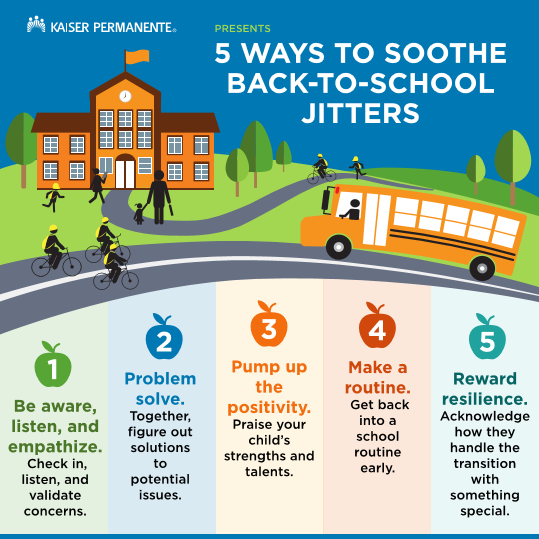
Five Tips for Reducing Back to School Anxiety
Mental preparation, with these five tips, for the transition back to school is as important as getting the right school supplies: Be aware of school related stress It’s important to be aware of kids’ worries and know how to respond. Parents and caregivers play a critical role in helping children understand, manage, and overcome these …
Chores and Executive Functioning Skills
What are executive functioning skills? Executive function refers to a cognitive process that helps with planning, initiation of tasks, organizing, managing time, problem solving, and self-regulation. Many adults and teens with ADHD have difficulty with executive dysfunction. This translates into weak prioritization skills, time blindness, and an inability to orchestrate concurrent tasks. Chores that Develop Executive Functioning …

Q: “How Can I Tackle ‘The Great Bedroom Clean-Up’ with My Teen?”
When a parent asks me how to get their kids to organize and maintain their bedrooms, I always lob this question right back at them: Is your child’s bedroom set up to make it easy for them to create and maintain an organizing system? And if they can’t answer that? It’s time to go on a tour of …
Q: “How Can I Tackle ‘The Great Bedroom Clean-Up’ with My Teen?” Read More »